
PugJesus
History Major. Cripple. Vaguely Left-Wing. In pain and constantly irritable.
- 138 Posts
- 100 Comments
 0·8 days ago
Funny how our opponents can give us some of our best tools.
Hey! My day’s always brightened when I see your posts!


As long as people enjoy my reposts, I count my time well-spent!
 0·10 days ago
Fire the Senator, replace him with his dog.
Tumblr, search engines, and old pages on Facebook, mostly
Predates Iroquois writing, it should be said

I thought I’d be less suicidal at this age tbqh
An amazing shot!
Generally, high-quality pieces would have been made by artisans (and thus usually custom), not factory-made. The high demand meant that the skills to make these pieces were more commonly pursued by woodworkers, thus making a larger labor pool (and so, cheaper labor), but the technology available and higher price of resources means that it would have required more expense in the form of materials and more man-hours to create the product.
A friend of mine once had me pose with two of these when on a roadtrip (we had never seen them before).
So he could say I had “azburgers”
do people know you can pay for custom pieces
Like, if a door knocker is that important to you, like an upper-middle class 19th century homeowner, you can just… pay 500$ or so for a nice one. I promise you that the 19th century homeowner paid much more for their’s, adjusted for inflation.
I’d double-check your local traffic regulations; there are places where you can get written a ticket for running a yellow light.
Holy shit, then what’s the difference in those places between a red light and a yellow light?
 0·20 days ago
You had me at “evil”
Apex scavenger

 0·29 days ago
As a matter of technicality, it is. As Constantinople has neighborhoods on both sides of the strait, it’s considered both European and Asian. A city of two continents.
Nosferatu!
 2·29 days ago
I know this is the shitposting Lemmy and historical accuracy isn’t the goal here … But you don’t honestly think they put plantations in infertile places and used slaves for no reason right? They made a shit ton of money
Overall, you’re right, but I’d like to point out two caveats here:
-
Southern plantation farming was incredibly inefficient and utterly ruined the land it was practiced on - something that was recognized (and criticized) as early as George Washington. So they did build their plantations in fertile areas, but exhausted the soil and did very little to let it recover until George Washington Carver (unrelated) started spreading crop rotations around ~1900.
-
The aristocrats made a shitton of money relative to the average person, but they were much, much poorer - both individually and as a society - than the industrialized North. Northern farming, even, was much more efficient - but the Southern aristocracy perpetuated their system because control was more important than money. In the slavery (and sharecropping) system, the plantation class effectively ruled little fiefs of dependent ‘free’ farmers and unfree (legally or practically) Black labor, able to exercise wide-reaching control not just economically, but also socially, culturally, and politically. Given the choice between more luxury or more power, they chose more power, and used that power to perpetuate their sickened systems.
-




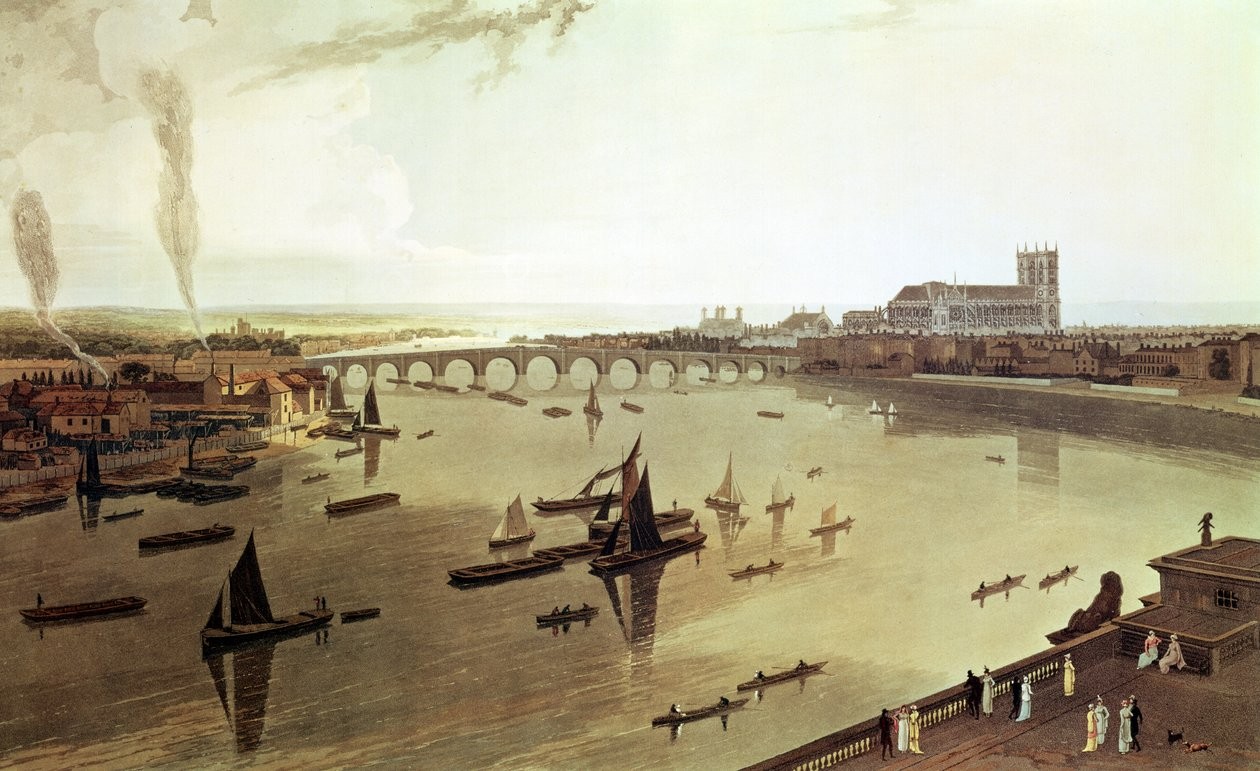


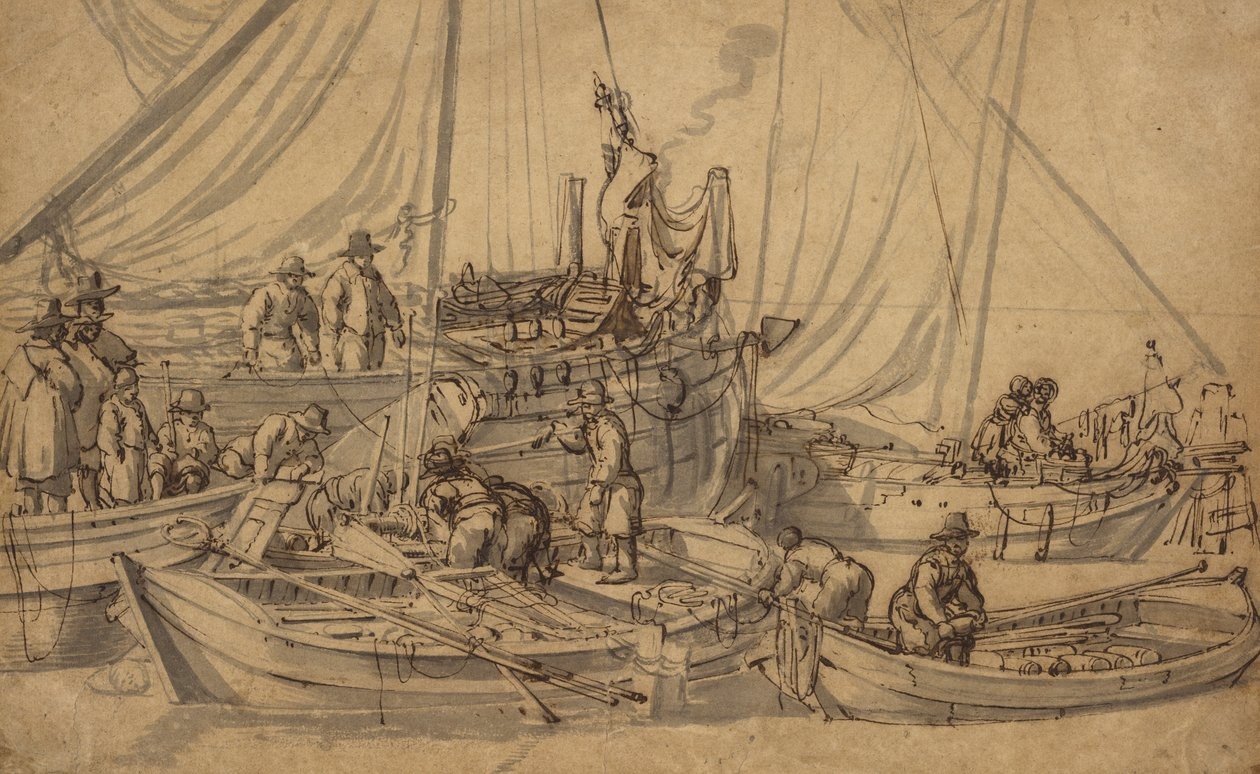
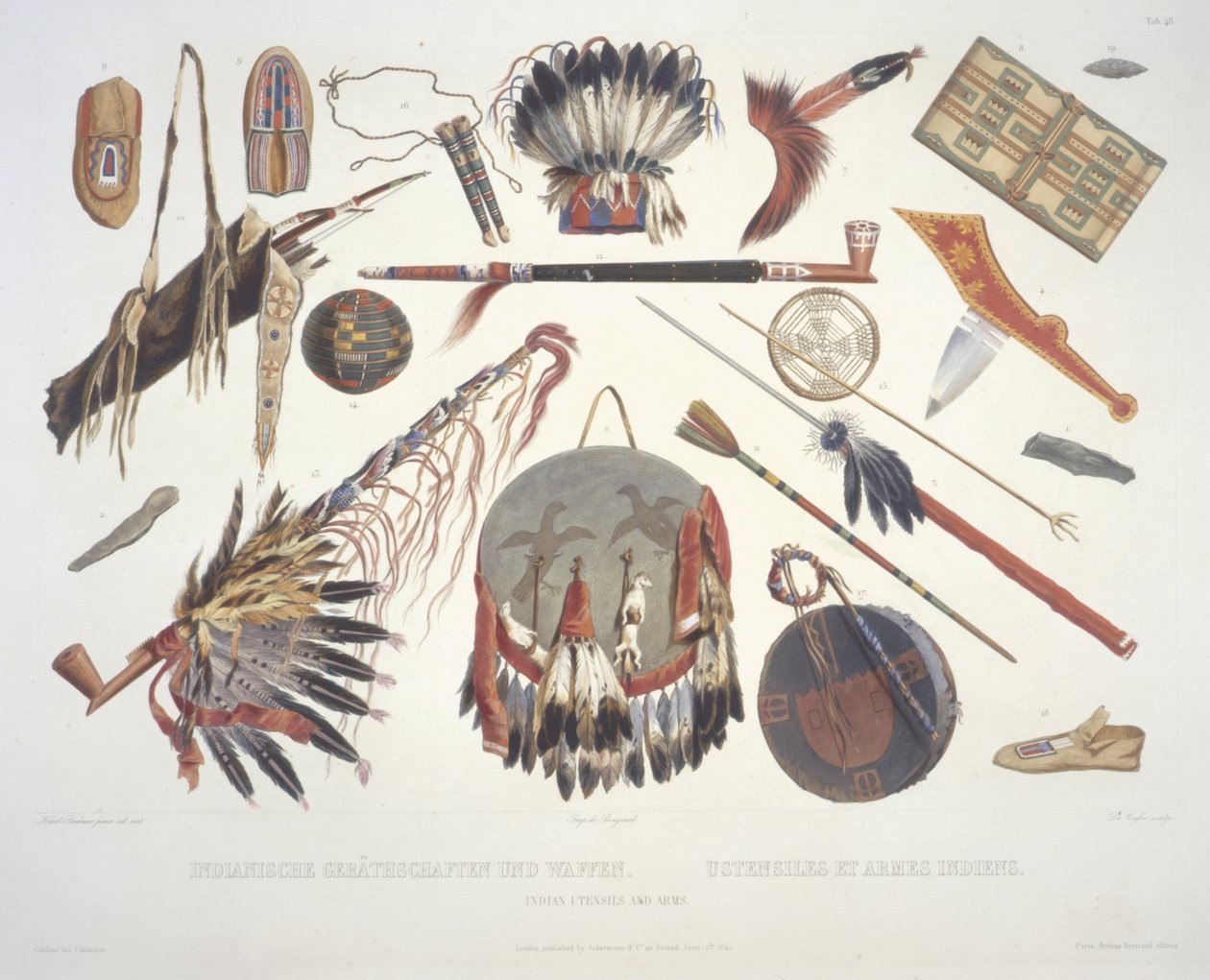
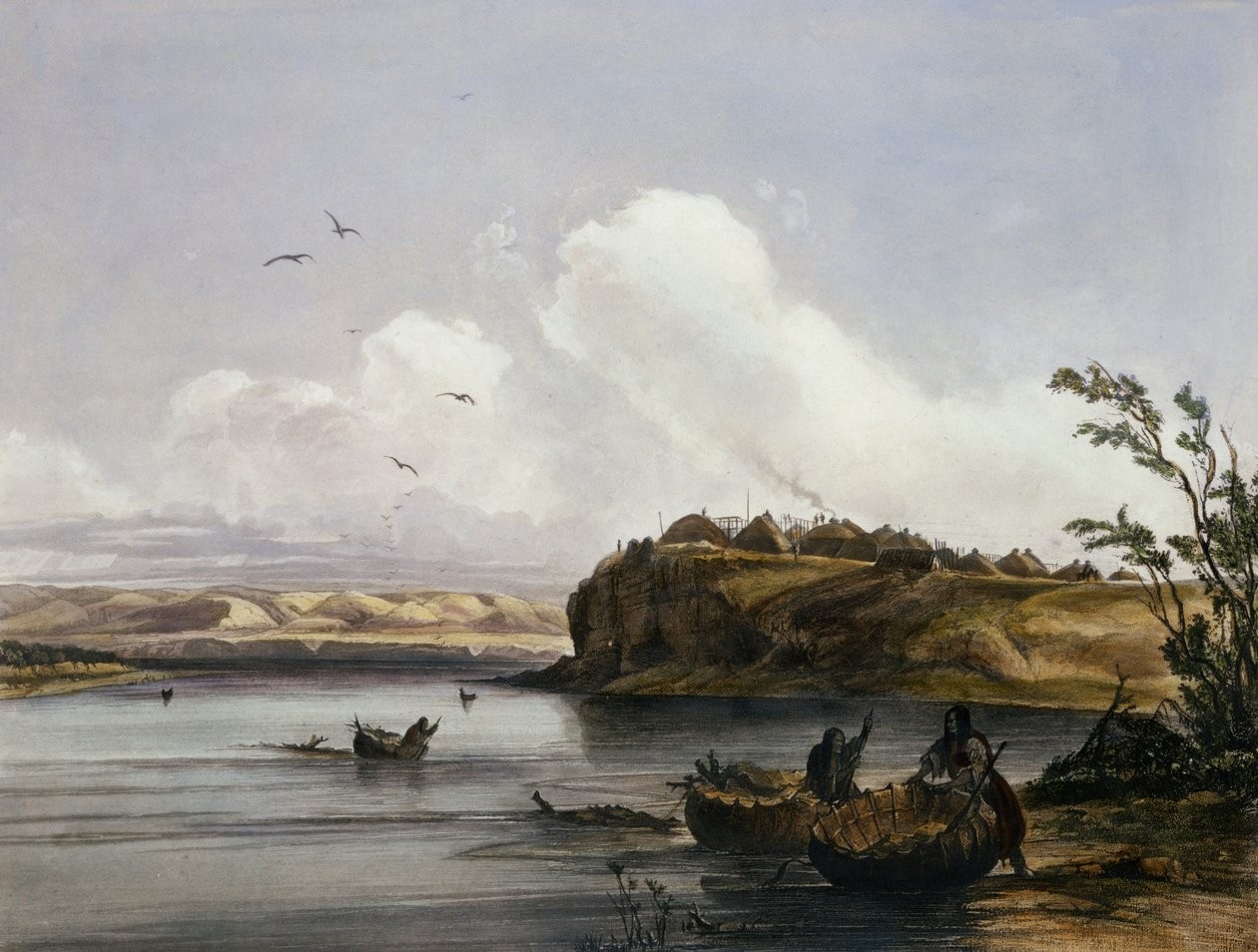





Like a dragon atop a hoard, I just lounge atop of them
Mobile cactus