It seems like the sizes have stuck with a normal BMI assumption where that’s not the case anymore and most people are overweight so can’t find clothes that fit them well without going into plus-sized clothing (which is less fashionable of course).
Have you gone through the posted link? It explicitly explains that that’s not the case, that there are also issues like inter-brand variability and clothes being made to fit the 12% of women who genetically happen to have an hourglass figure.
You didn’t read the article and directly went to blaming women for being fat and vain when it’s always been about maximizing profits at the expense of women’s comfort.
The same phenomenon exists in the bra industry, where women are binned into a narrow distribution of ill-fitting sizes. Bras are a medical necessity for many women and poorly fitted ones often contribute to back pain, sores, inflammation, aggravates HS, and more. Yet scummy companies like Victoria’s secret have pushed as many customers into 36C as they can to cut manuf costs.
If you read the article its actually a bit of both clothing manufacturers and increasing waistlines. Clothing sizes increased about 2.5" while waist sizes increased by 4". Its an issue of the clothing manipulating sizes to sell more clothing and the effects of modern processed foods and diets coming together. Clothing gets harder to sell as the size increases so they bump up the sizes to try to keep up with increasing wasitlines without shifting their sale strategy status quo too much.

It seems like the sizes have stuck with a normal BMI assumption where that’s not the case anymore and most people are overweight so can’t find clothes that fit them well without going into plus-sized clothing (which is less fashionable of course).
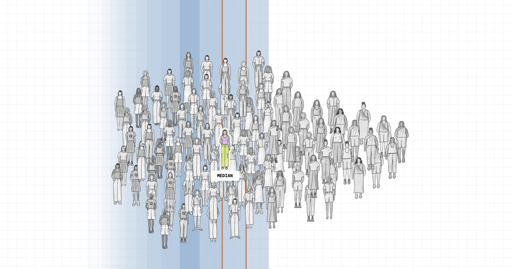
Have you gone through the posted link? It explicitly explains that that’s not the case, that there are also issues like inter-brand variability and clothes being made to fit the 12% of women who genetically happen to have an hourglass figure.
You didn’t read the article and directly went to blaming women for being fat and vain when it’s always been about maximizing profits at the expense of women’s comfort.
The same phenomenon exists in the bra industry, where women are binned into a narrow distribution of ill-fitting sizes. Bras are a medical necessity for many women and poorly fitted ones often contribute to back pain, sores, inflammation, aggravates HS, and more. Yet scummy companies like Victoria’s secret have pushed as many customers into 36C as they can to cut manuf costs.
If you read the article its actually a bit of both clothing manufacturers and increasing waistlines. Clothing sizes increased about 2.5" while waist sizes increased by 4". Its an issue of the clothing manipulating sizes to sell more clothing and the effects of modern processed foods and diets coming together. Clothing gets harder to sell as the size increases so they bump up the sizes to try to keep up with increasing wasitlines without shifting their sale strategy status quo too much.