

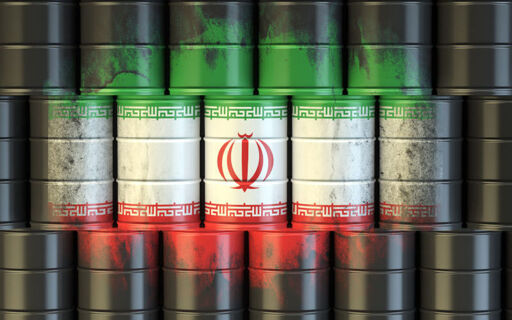
Tanker traffic in the world’s most critical energy chokepoint, the Strait of Hormuz, through which 20 per cent of the world’s oil supply is transported, has effectively halted. Brent crude surged as much as 13 per cent intraday to $82 a barrel. UBS analysts warn Brent could hit US$120 a barrel if the Strait remains blocked; and Barclays estimates a three-to-four week squeeze could push prices above US$100. On Monday, Qatar’s national LNG company, 20 per cent of global supply, halted production and Saudi Arabia shut its biggest domestic oil refinery after a drone strike.
Australia, watching all of this unfold in real time, has just 25 days of diesel reserves and 29 days of petrol coming into 2026. Australia imports over 90 per cent of its refined oil products – diesel, petrol, aviation fuel – as well as crude oil feedstocks. While our largest direct supplier is Singapore, those supply chains trace back through primary fuel extracted across the Gulf. We have essentially no buffer against what is unfolding.