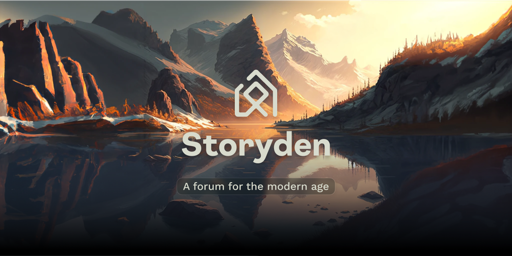
While looking for Discord alternatives I came across this project which looks like a great alternative for the kinds of Discord servers centered around Open Source projects and organizations. Ones where live chat and voice rooms aren’t the focus.
It’s a combination of forums and knowledge base that would be perfect for this use case.
Some kind of weird WebGL error on their site I’ve never seen before.
Doesn’t load for me.
LibreWolf doesn’t seem to be offering to activate canvas.
Oh well.
Same for me, why does a forum software need webgl?
You mean why does the site for a forum software need webgl, by which the only reason I can think of is tracking visitors somehow. It’s not like the background landscape on the site is dynamic or something.
i added a dumb globe thingy and some useless effects in a mania of creative chaos, not felt a spark of creativity in ages and hate the current site, but you’re right this was stupid, i removed the useless webgl stuff and made it simpler, thanks for the feedback!
Thanks!
It’s not so much about wholly removing webgl contrasted to at least having some sort of fallback that allows the site to be experienced, but thanks again for at least tackling the change.
It mentions many AI features. Is this vibe-coded?
imo this line of questioning will become increasing irrelevant, coding might just be the best thing about AI, you’re going to find fewer and fewer projects hand crafted
thank you for sharing my product here! I grew up on forums, it’s somewhat of a love letter to the mid 2000s I spent many hours of my youth with, happy to answer any questions on the project!
Could you give us a brief overview of the use of AI in the production of Storyden? Like which components are ai-assisted, and to what degree?
I think this is the main sticking point people have with the project, especially since it is apparently in use but it’s not super clear how.
sure, so I use a ton of codegen and hand-write the openapi schema, jsonschemas and database model, I use AI often to write the mapping/binding boilerplate that goes between the outside-to-inside world (database stuff to queriers/writers and http handlers to actual logic) then I write the logic itself as well as the end-to-end tests. I find language models work very well once you have a clear set of constraints/boundaries such as a clear api contract + generated types or a set of tests that define the behaviour. I use a mix of claude and codex. Claude I find works well for exploratory/experimental work (a ton of the new plugin system was R&D so claude helped set up and tear down a bunch of potential implementations and ideas) codex is a lot less interactive and doesn’t seem to play well with creative r&d style exploratory workflows, so I use that one more for well planned out features using the codegen mentioned before.
while I somewhat understand the “sticking point” it allows me to work faster and focus on the more enjoyable side of the craft i’ve honed for almost 20 years. While it’s still not a super popular project and a couple of friends sometimes help, it’s just me doing it so the AI helps a lot when I only have a couple of hours a night to work on it!
outside of pure code, I used a combination of very early generative imagery models (circa 2022 I think) for the hero art, which started life as a sketch, scanned in, with some iterations on Dall-E (back when it was an app before chatgpt absorbed it) and a few hours painting and expanding in photoshop with my wacom. for future art on blog posts and such, I’m keen to commission a human artist for future marketing assets (in case you know anyone!)
and I think finally, lots of exploratory discussion with chatgpt on api design, http semantics, cross-browser cookie behaviours, boring stuff like that… very useful!
do you think it would be worth including some blurb about how ai tools are used in the readme for this kinda crowd who are understandably skeptical of many open source projects now due to irresponsible usage of ai?