Any intentional killing that is not premeditated or planned. A situation in which the killer intends only to inflict serious bodily harm, knowing this could result in death but with no specific intent to kill, constitutes depraved-heart murder, which can be considered as second-degree murder.
Are they punished differently in the US? In most countries there isn’t really a distinction because of the difficulty in proving intent.
If somebody repeatedly kicks and punches somebody into unconsciousness and ultimately kills them from internal bleeding is that first degree or second degree?
Likely second, unless there was some evidence it was planned in some way. Like, if they also found a text talking about how much they hated that guy and wished he was dead, you could make a case for first. If there was a plan to bring the person to an isolated location for their fight, it would likely be first in that case. Same could be said for tracking their work shifts in preparation, casing their house to see when they’re alone, etc.
Intent is not the difference. The difference is planning.
I am not a lawyer, but this my understand:
If you’re enjoying a quiet time in the park and a kid shouts, which disturbs you, so you shoot the kid in the head. You intended to kill the kid. You aimed at his head and shot a deadly weapon.
However, it was not planned. Your plan was to enjoy a quiet time in the park. You just killed the kid because of a momentary rage. You didn’t even know the kid.
I believe that would be second degree.
If you didn’t intend to kill, that would be something else, like gross negligence or whatever. For example running a red light and killing a kid that you didn’t even see because your enormous American car (which you call a truck, but the bed is always empty). That would not be first or second degree murder. In America it may just result in a traffic violation because you ran a red light. Might be a 100$ fine.
Generally speaking, second degree doesn’t involve premeditation. You get in a bar fight and kill someone or walk in on your wife with another man and shoot in a blind rage.
Manslaughter is generally when you kill someone criminally without intent. That would be something like running a stoplight, which is a crime, and t-boning a car killing a passenger. You were committing a non-violent crime with no intent to hurt anyone, but you still killed someone.
Felony Murder in many states is when you commit a felony that leads to someone’s death. For instance, you commit arson for insurance money (a felony), and someone gets killed trying to put it out. It’s also been used on robbery accomplices when their partner kills someone.
Depraved Heart Murder is when you knowingly do something so incredibly reckless someone is likely to get killed and choose to move forward. The depraved indifference in that case is considered malice aforethought (essentially intent). An example would be knowingly selling tainted medicine for profit. A great real-life example was the Schlitterbahn executive that paid off injury victims for a dangerous waterside to keep them quiet because the slide was really profitable until a kid was decapitated by the ride. The executive was charged with murder for covering up the dangerous ride instead of shutting down and fixing it.

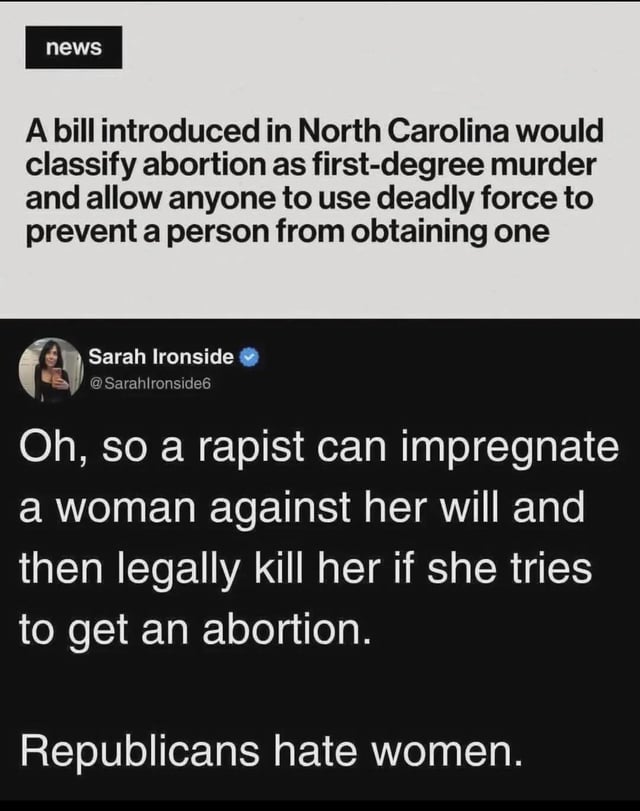
people keep talking about “first-degree murder”
is there “second-degree murder”?
Yes:
https://en.wikipedia.org/wiki/Murder_in_United_States_law
Are they punished differently in the US? In most countries there isn’t really a distinction because of the difficulty in proving intent.
If somebody repeatedly kicks and punches somebody into unconsciousness and ultimately kills them from internal bleeding is that first degree or second degree?
Likely second, unless there was some evidence it was planned in some way. Like, if they also found a text talking about how much they hated that guy and wished he was dead, you could make a case for first. If there was a plan to bring the person to an isolated location for their fight, it would likely be first in that case. Same could be said for tracking their work shifts in preparation, casing their house to see when they’re alone, etc.
Intent is not the difference. The difference is planning.
I am not a lawyer, but this my understand:
If you’re enjoying a quiet time in the park and a kid shouts, which disturbs you, so you shoot the kid in the head. You intended to kill the kid. You aimed at his head and shot a deadly weapon.
However, it was not planned. Your plan was to enjoy a quiet time in the park. You just killed the kid because of a momentary rage. You didn’t even know the kid.
I believe that would be second degree.
If you didn’t intend to kill, that would be something else, like gross negligence or whatever. For example running a red light and killing a kid that you didn’t even see because your enormous American car (which you call a truck, but the bed is always empty). That would not be first or second degree murder. In America it may just result in a traffic violation because you ran a red light. Might be a 100$ fine.
Depends state to state, in some, first degree is basically terrorists and serial killers.
First degree usually means premeditation
Generally speaking, second degree doesn’t involve premeditation. You get in a bar fight and kill someone or walk in on your wife with another man and shoot in a blind rage.
Manslaughter is generally when you kill someone criminally without intent. That would be something like running a stoplight, which is a crime, and t-boning a car killing a passenger. You were committing a non-violent crime with no intent to hurt anyone, but you still killed someone.
Felony Murder in many states is when you commit a felony that leads to someone’s death. For instance, you commit arson for insurance money (a felony), and someone gets killed trying to put it out. It’s also been used on robbery accomplices when their partner kills someone.
Depraved Heart Murder is when you knowingly do something so incredibly reckless someone is likely to get killed and choose to move forward. The depraved indifference in that case is considered malice aforethought (essentially intent). An example would be knowingly selling tainted medicine for profit. A great real-life example was the Schlitterbahn executive that paid off injury victims for a dangerous waterside to keep them quiet because the slide was really profitable until a kid was decapitated by the ride. The executive was charged with murder for covering up the dangerous ride instead of shutting down and fixing it.
thanks
so just to clarify, insurance companies intentionally delaying care to patients would be depraved heart murder, right?